The appliance
Hardware you can touch, an interface ready to go
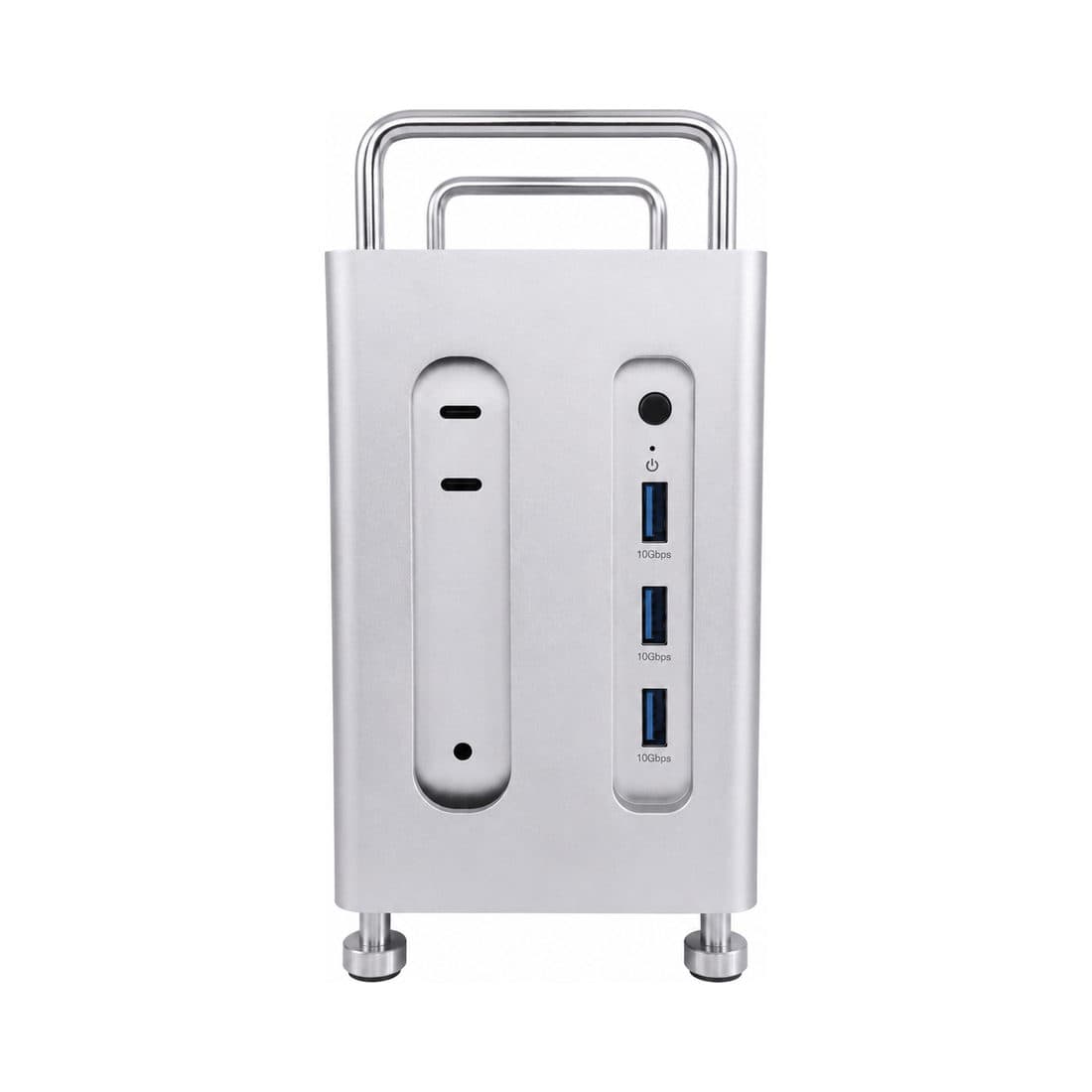
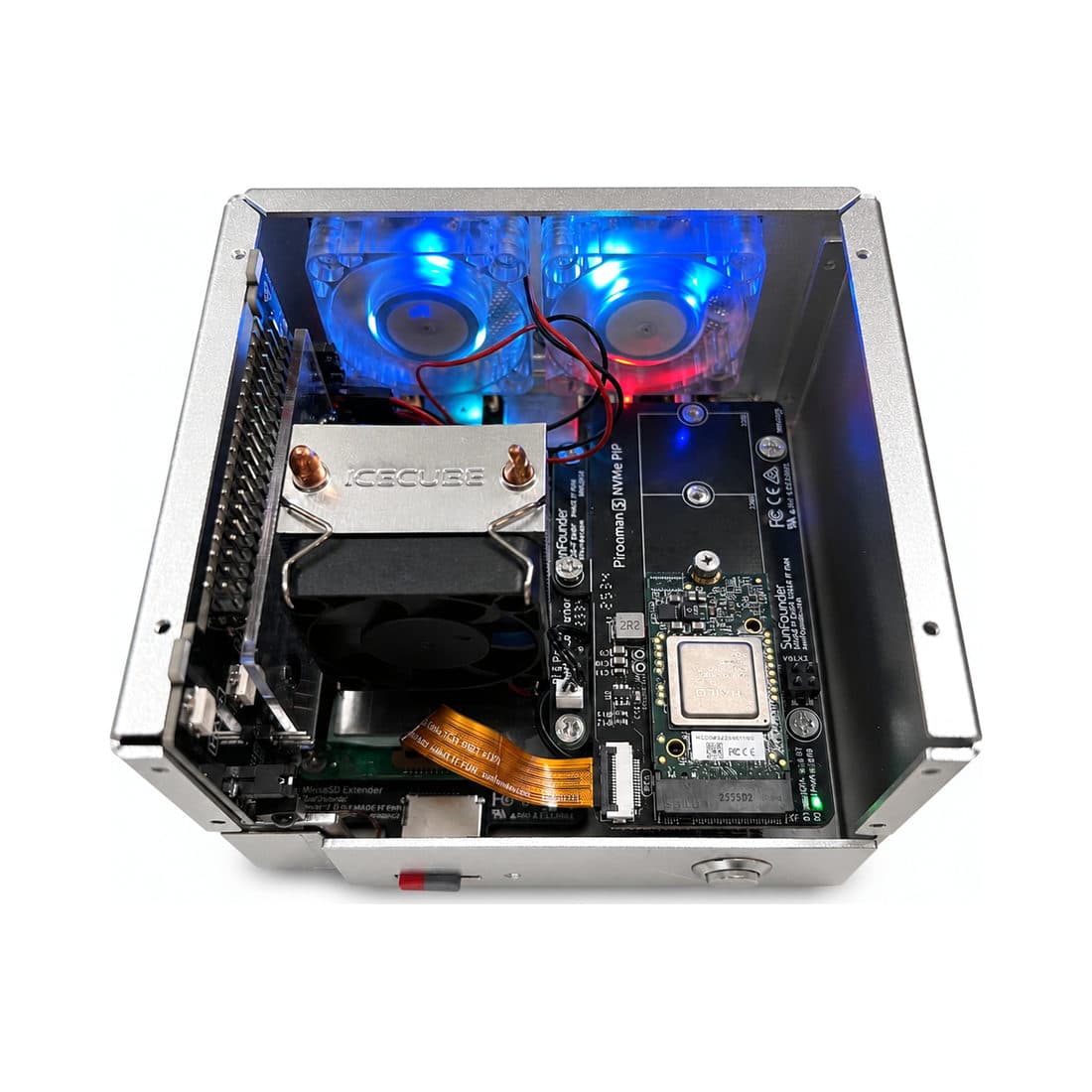
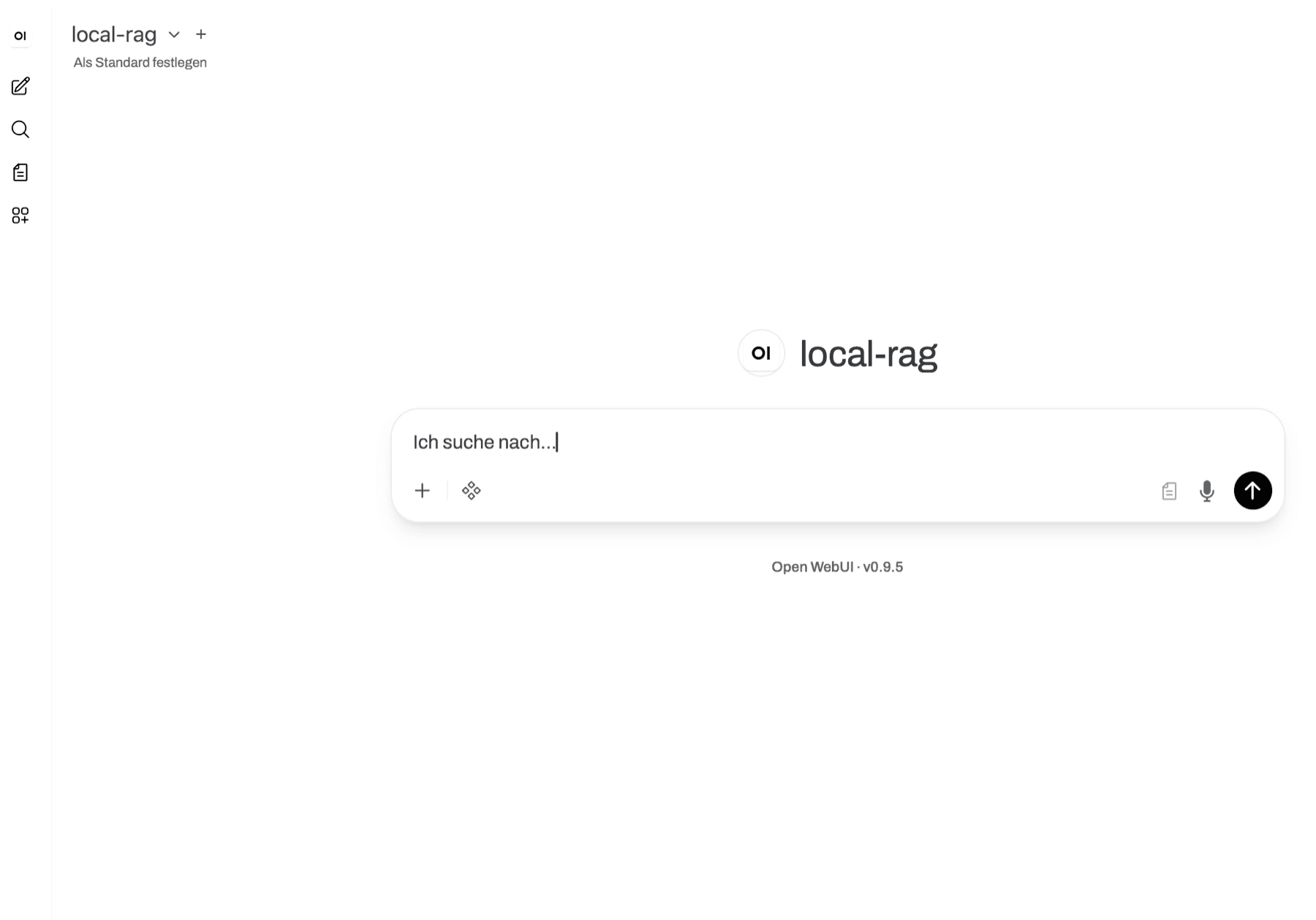
Compact hardware with AI accelerator and storage in a single enclosure, with a ready-made interface for AI chat and RAG on your own documents.
Pre-configured local AI environments: possibilities, properties and limits. A topic page on a tool that's rarely discussed in practice as neutrally as it deserves.
Organisations are under pressure to innovate while facing rising demands around data protection, compliance and sovereignty. Exactly this tension blocks many sensible first steps.
AI technologies evolve fast, while data protection, compliance and the regulatory weight of the EU AI Act keep rising. Serving both at once paralyses many initiatives.
Uncertainty about costs, operations and long-term dependency on cloud platforms and token-based pricing. No one wants to bet on the wrong approach.
Interest is there, but internal experience is missing, and so is the time to build a safe test environment. AI stays abstract instead of applicable.
Data control and digital sovereignty become a strategic selection criterion. Sensitive information should not leave the building.
Local AI has to be neither expensive nor complex, and it can run in your own house. Four properties that set local appliances apart from cloud solutions.
No deep prior knowledge needed. Guided training for IT and business teams, and step-by-step capability building instead of months of preparation.
A working local environment, applied directly to real use cases. Focus on practical use over theory.
No ongoing licence costs for core components, no token-based pricing. Runs on existing or cost-efficient hardware.
Full data control, local processing of sensitive information, independence from cloud providers, predictable and traceable.
Compact hardware with AI accelerator and storage in a single enclosure, with a ready-made interface for AI chat and RAG on your own documents.
The appliance is not a black box. It is a transparent stack of open-source components. Tap a building block to see its role.
The access point. Users work in the browser through an ordinary web interface, with no local install. Everything runs on the appliance inside your own network.
Simplified diagram. Open-source components, modular and extensible, operated entirely on-premises.
A compact, pre-configured and fully local AI environment that works without an internet connection. Six typical applications.
You draft, review, shorten and structure texts, and get support with analyses. Everything happens inside your organisation.
You ask questions to your own materials and get answers grounded in your knowledge, not only in the model's general training.
You try AI on internal, even confidential data. None of it leaves your organisation.
You build a searchable knowledge system from your own content, with answers traceably linked to their sources.
You get support with recurring writing and analysis tasks and reclaim time for what matters.
Your teams learn, in a guided way, to use and operate the environment themselves. The capability stays in your organisation.
RAG stands for Retrieval-Augmented Generation. Put simply, a RAG connects a language model to your own documents. The model answers a question not only from its general training knowledge, but specifically draws on your content, for example handbooks, policies or project files. This makes answers more concrete, more traceable, and keeps them tied to your organisation's knowledge.
More in the article “What does RAG mean in an enterprise context?” →Both paths lead to AI. The difference lies in where your data sits, how the costs arise and how independent you remain.
| Criterion | Local appliance | Cloud or subscription solution |
|---|---|---|
| Data sovereignty | Your data stays entirely in-house | Your data is transferred to external providers |
| Cost model | Predictable, capped rent without per-volume billing | Ongoing costs per usage, token or user licence |
| Operations | Works fully offline | Requires a permanent cloud connection |
| Compliance | Eases GDPR and EU AI Act through local processing | Requires additional checks on provider, location and contract |
| Dependency | No vendor lock-in, open components | Locked into a vendor including price and feature changes |
| Capability | Capability build-up stays in your organisation | Knowledge remains largely with the provider |
| Entry | Guided onboarding with fast initial value | Depending on the solution: setup, contracts and approvals |
Costs stay predictable and capped, rather than rising continuously with usage, tokens or licences. The amount invested flows into lasting internal capability instead of ongoing external costs. The value stays in your organisation.
Leadership teams make AI tangible and develop a shared picture, without cloud and without risk.
Try AI on non-public materials, without data leaving the building.
Hands-on along real use cases, connecting technology, strategy and application.
Solid feasibility evidence for local language models, before broader scaling.
Local RAG: making organisational knowledge accessible safely, in a structured and efficient way.
Internal teams build capability and reduce external dependencies.
A structured, secure and cost-efficient entry into local AI. Let's talk about your starting point and a sensible first step.